
The climate summit in Belem, Brazil, has become a tale of two speeds. On the one hand, financial momentum for new solutions is building rapidly, with $5.5 billion pledged for a new forest fund. On the other, high-level political unity is visibly crumbling, with key world leaders absent.
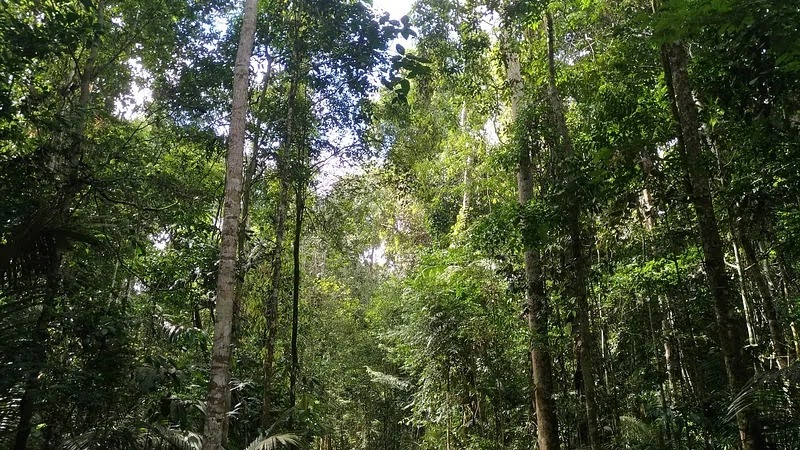
The financial optimism is being driven by Brazil’s President Luiz Inácio Lula da Silva. His “Tropical Forests Forever Facility,” a plan to pay 74 nations to preserve their forests, has been met with significant early support. Norway has pledged $3 billion, and with Germany expected to follow, Lula’s ambition is gaining credibility.
This innovative fund would use interest-bearing loans from wealthy nations and investors, a model designed to make preservation economically viable. It also dedicates 20 percent of its funds to Indigenous peoples, recognizing their role as essential stewards.
However, this progress is overshadowed by a stark political reality. The leaders of the planet’s three biggest polluters—China, the United States, and India—all skipped the preliminary gathering. This “reduced participation” signals deep divisions and a focus on other global crises.
This split has drawn the ire of UN Secretary-General António Guterres. He delivered a harsh speech warning of “moral failure” and “deadly negligence,” and accused world powers of being “captive to fossil fuel interests,” a charge that hangs heavy over the divided summit.