
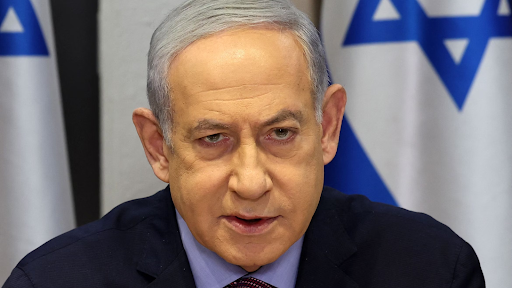
Prime Minister Benjamin Netanyahu has publicly acknowledged Israel’s role in assassinating key Houthi leadership figures in Yemen, including the group’s prime minister Ahmed Ghaleb Al Rahwi, while promising that additional operations will target remaining rebel commanders. The successful long-range strike demonstrates Israel’s evolving military reach across the Middle East.
The precision operation in Sanaa eliminated multiple senior officials during a leadership conference where they were monitoring their leader’s public address. Netanyahu’s characterization of the mission as a “fatal blow” reflects Israel’s determination to neutralize threats from the Iranian-backed organization through direct military action.
Houthi forces have maintained consistent pressure on Israeli interests through regular missile bombardments and attacks on international maritime traffic in strategic Red Sea corridors. The rebel group justifies these operations as support for Palestinian resistance during the ongoing Gaza conflict, creating additional complications for Israeli security planning.
Despite the operation’s success in eliminating high-profile targets, key military leaders including the chief of staff and defense minister survived the attack. This partial success has triggered immediate retaliation promises from Houthi officials, while security analysts debate whether targeted assassinations can effectively counter the group’s ideologically driven campaign against Israeli interests.