
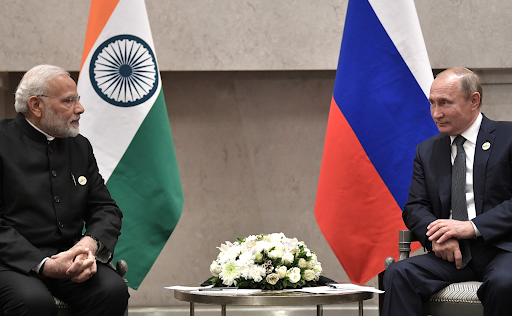
Moscow is directly challenging U.S. foreign policy by publicly defending New Delhi’s trade decisions. Kremlin spokesperson Dmitry Peskov stated that “sovereign countries” have the right to choose their own trade partners, labeling U.S. President Donald Trump’s threats against India “illegal” and “unacceptable.” Trump had used a social media post to accuse India of profiting from the resale of Russian oil and threatened to “substantially” raise tariffs on Indian goods, in addition to a 25% tariff already in place since August 1.
India’s Ministry of External Affairs has also responded with a strong statement, declaring the “targeting of India is unjustified and unreasonable.” The government reiterated its commitment to protecting its “national interests and economic security.”
This diplomatic clash reveals a deepening rift over global energy trade and geopolitical alignments. Russia is portraying itself as a champion of national sovereignty, while the U.S. is leveraging economic power to enforce its foreign policy goals. The situation highlights a clear divide, with Moscow openly siding with New Delhi against Washington.
The confrontation highlights the shifting landscape of international relations, where economic interests and geopolitical allegiances are increasingly intertwined. India’s stance reflects its strategic decision to prioritize its energy security and economic stability over complying with U.S. demands. The Kremlin’s public support is a significant development, as it not only bolsters Russia-India relations but also serves as a direct counter-narrative to U.S. foreign policy, challenging its attempts to isolate countries and dictate global trade terms.