
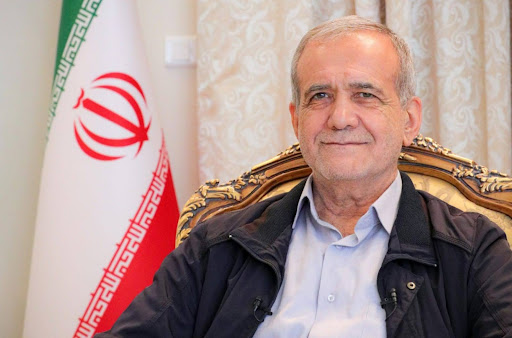
Iranian President Masoud Pezeshkian has made it clear to neighbouring Gulf governments that their decision to host American and Israeli military activities will have direct consequences for their own security. His statement, issued over a month into the Iran-US war, adds a new diplomatic and military layer to an already complex regional crisis. Tehran’s message appears designed to pressure Gulf governments to reassess their role in the ongoing conflict.
The six-week-old war has seen countries like Saudi Arabia, the UAE, Kuwait, Qatar, and Oman pulled into the fighting, primarily because the United States operates major military installations within their borders. Strikes against Iran have been executed from these bases, leading Tehran to retaliate with attacks on those host nations. The situation has made Gulf governments reluctant participants in a conflict with potentially devastating consequences.
Pezeshkian addressed his neighbours directly via a social media post on X, making two key points. First, he stated that Iran does not engage in preemptive strikes but will retaliate forcefully if its economic and critical infrastructure is attacked. Second, he warned that Gulf nations enabling enemy operations against Iran would lose the prospect of development and security in exchange.
Pakistan’s Prime Minister Shehbaz Sharif has been heavily engaged in shuttle diplomacy aimed at ending the conflict. Following a meeting with Pezeshkian, Sharif shared that the Iranian president believes meaningful negotiations can only occur once a baseline of trust is established between the parties. Pakistan’s proactive peace role has received endorsements from Tehran, underscoring Islamabad’s growing influence in regional affairs.
An important diplomatic forum is now underway in Pakistan, with senior ministers from Saudi Arabia, Egypt, and Turkey gathering to deliberate on ending the war. They are meeting with Pakistani Foreign Minister Ishaq Dar and Prime Minister Sharif as part of a broader effort to synchronize regional responses to the crisis. This coordinated diplomatic push represents one of the more promising signs that a path toward peace may be emerging.