
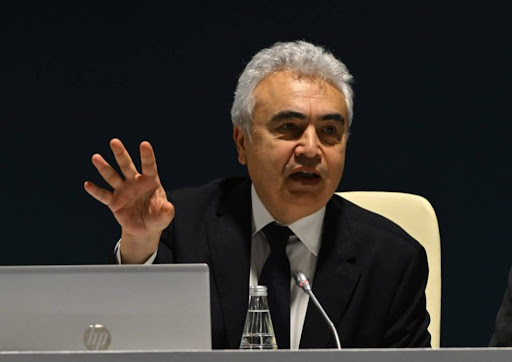
The head of the world’s leading energy security body has sounded an alarm of historic proportions over the damage the Iran war has inflicted on global energy markets. Fatih Birol, director of the International Energy Agency, said the crisis is equivalent to facing the 1970s oil shocks and the Ukraine gas crisis all at once. His warning came as the IEA continued emergency consultations with governments across three continents.
Birol, speaking at a press engagement in Canberra while meeting with the Australian prime minister, said world leaders were slow to understand how severe the crisis would become. The bombings of Iranian energy infrastructure beginning February 28 and the subsequent closure of the Strait of Hormuz created a cascading supply emergency. The IEA was forced to intervene with unprecedented emergency measures, including the largest strategic reserve release in its history.
Oil losses from the conflict have reached 11 million barrels per day, compared with 5 million during both 1970s oil crises combined. Gas losses of 140 billion cubic metres exceed the 75 billion cubic metres removed during the Ukraine war. Beyond oil and gas, the crisis is disrupting supplies of fertilizers, sulfur, petrochemicals, and helium — all vital to agriculture and industrial production globally.
The Strait of Hormuz, the world’s most critical oil shipping chokepoint, remains closed following attacks on vessels in its waters. Roughly 20 percent of world oil supply depends on safe passage through the strait, making its continued closure a major threat to global supply chains. Birol identified reopening the strait as the single most urgent priority for stabilizing global energy markets.
The IEA chief confirmed talks are underway with governments about a second potential release of emergency reserves, noting the initial release represented just 20 percent of available stocks. He said the measures taken so far can help ease economic pain but cannot substitute for a political and military resolution. Without global cooperation and a restoration of safe navigation through Hormuz, Birol warned the crisis could deepen significantly.