
Environmental scientists are examining how climate change may have contributed to the territorial tensions that erupted into five days of fighting between Thailand and Cambodia, claiming 36 lives and displacing over 200,000 people before ending with a negotiated ceasefire. Changing weather patterns and resource availability may have increased competition for border region resources.
Prolonged droughts and changing rainfall patterns have affected agricultural productivity in border communities, potentially increasing competition for fertile land and water resources near the ancient temple sites. Climate-related environmental stress may have made territorial boundaries more economically significant than in previous decades.
The displacement of over 200,000 people during the conflict created additional environmental pressures as temporary settlements strained local water supplies and sanitation systems. Climate adaptation becomes more challenging when communities face both environmental change and conflict-related displacement.
Research suggests that climate change may be contributing to resource scarcity that makes territorial disputes more likely and more intense. The temple sites at the center of the conflict are located in areas that may become increasingly valuable as climate impacts affect regional agriculture and water resources.
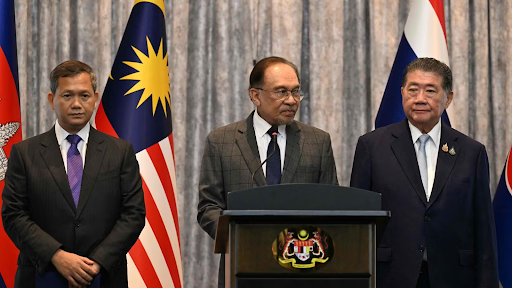
The ceasefire negotiated through Malaysian mediation between Acting Thai Prime Minister Phumtham Wechayachai and Cambodian Prime Minister Hun Manet offers an opportunity to address climate adaptation as part of long-term conflict prevention. However, continued fighting near Samraong demonstrates immediate challenges. The cross-border committee meeting in Cambodia on August 4 should consider climate factors in territorial discussions and develop adaptive management strategies for shared resources.