
A concerted international effort to end the Ukraine conflict is gaining traction through intensive negotiations spanning multiple locations, with American, Russian, and Ukrainian representatives all reporting progress. The Trump administration’s peace initiative has catalyzed discussions in both Florida and Berlin, bringing together key stakeholders in what participants describe as a constructive diplomatic environment.
Russian envoy Kirill Dmitriev characterized the ongoing Florida talks as proceeding well, confirming to reporters in Miami that negotiations would span multiple days of focused discussion. His counterparts in these sessions include senior American officials empowered to negotiate peace terms. Separately, Ukrainian President Zelenskyy communicated that his delegation in Florida was working productively with American negotiators, describing the pace of diplomatic activity as remarkably swift.
The diplomatic push represents months of sustained effort by the Trump administration to position itself as a central mediator in the conflict. This strategy has involved coordinating with European allies, as evidenced by recent Berlin meetings that brought together Ukrainian and European officials. The multi-venue approach underscores the complexity of the peace process and the need to address concerns spanning multiple capitals and governments.
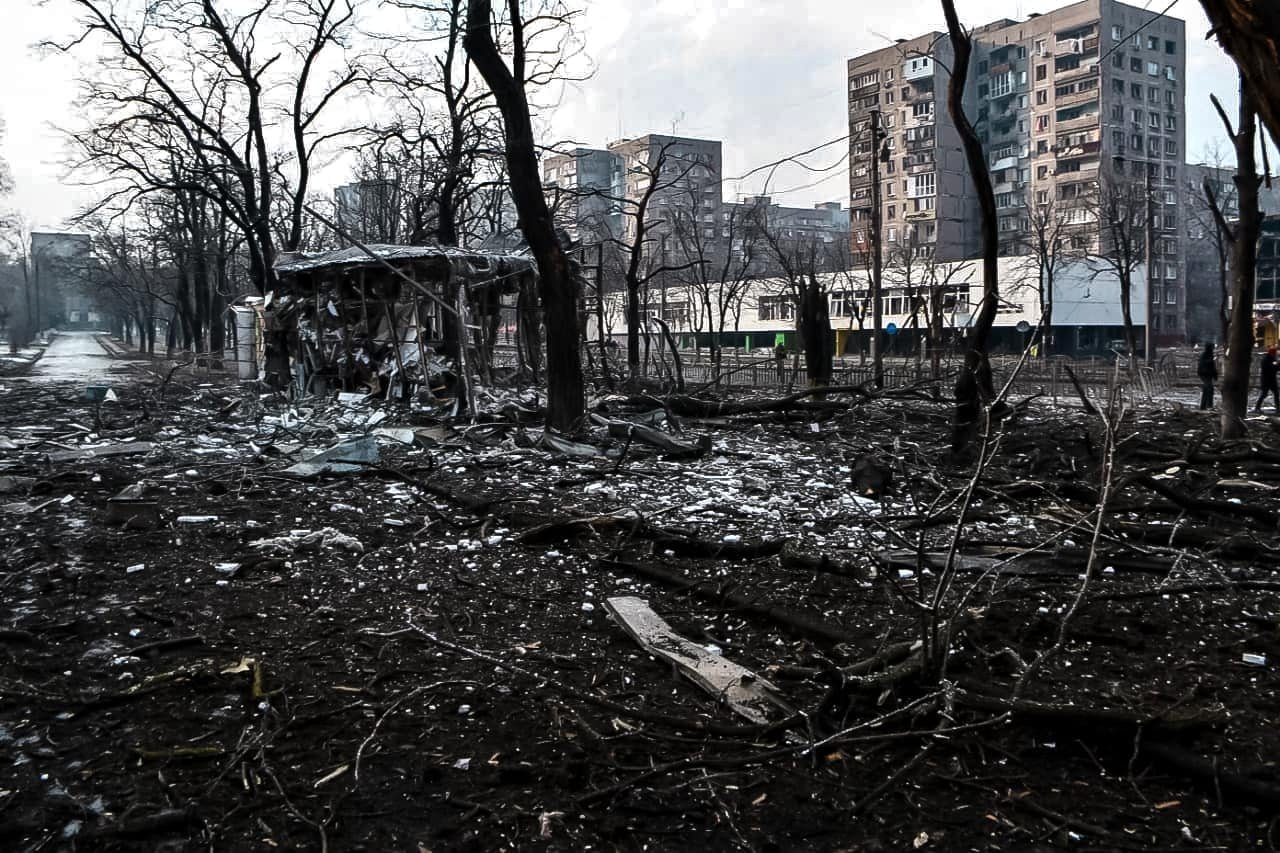
However, the path toward agreement remains fraught with challenges stemming from irreconcilable demands. Moscow has maintained maximalist positions on territorial and political concessions, with Putin expressing confidence that Russian military operations can achieve strategic goals independently if negotiations prove unsatisfactory. This stance comes as Russian forces continue grinding advances that extract heavy casualties while yielding modest territorial gains.
European engagement continues on parallel tracks, combining diplomatic outreach with substantial material support. France has indicated openness to direct talks with Russian leadership under appropriate circumstances, while the European Union has formalized 90 billion euros in two-year assistance for Ukraine. The EU funding will come through capital markets after member states failed to reach consensus on utilizing frozen Russian assets, highlighting ongoing internal European debates about how best to support Ukraine.