
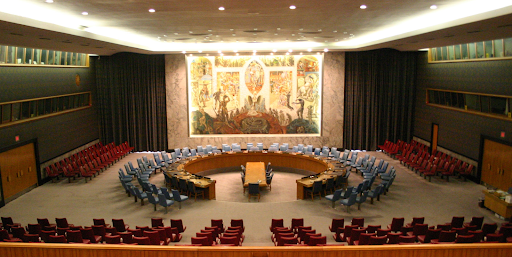
A newly adopted UN resolution regarding Gaza has introduced a paradoxical framework for peace that seems destined for immediate gridlock. Passed on Monday with the United States spearheading the effort, the resolution is inextricably linked to President Donald Trump’s controversial 20-point plan for the region. The document attempts to thread a needle by offering a “pathway to statehood” to satisfy Palestinian political ambitions while simultaneously demanding the total disarmament of Gaza via an “International Stabilization Force.” This theoretical balance, however, has collided with the hard realities of the conflict, as both the Israeli government and Hamas have rejected the specific clauses designed to appease them, creating a diplomatic structure that is crumbling even as it is erected.
The inclusion of language supporting a Palestinian state was a strategic necessity, inserted to prevent a veto from major powers like Russia and to gain the backing of the Palestinian Authority. For the diplomats in the room, this clause was the essential key to unlocking the resolution’s passage. Yet, outside the UN headquarters, the reaction was hostile. Israeli Prime Minister Benjamin Netanyahu wasted no time in criticizing the move, doubling down on his long-standing refusal to countenance a sovereign Palestinian state. His rejection effectively neutralizes the political incentive the US hoped would bring stability to the region, leaving the diplomatic track of the plan facing a dead end before negotiations can truly commence.
Simultaneously, the resolution’s security demands have provoked a fierce response from Hamas, the group that effectively controls the Gaza Strip. The text authorizes an international force to strip the region of weapons and destroy military tunnels and infrastructure, a move the US argues is vital for safety. Hamas, however, views this not as a stabilization effort but as an act of aggression and “international guardianship.” In a defiant public statement, the group vowed it “will not disarm,” a declaration that transforms the proposed peacekeeping mission into a likely combat operation. This refusal to yield creates a volatile scenario where the “stabilization force” would have to forcibly disarm a dug-in enemy.
Despite the storm clouds gathering over the implementation of the plan, American officials remain outwardly jubilant about the diplomatic win. Ambassador Mike Waltz praised the resolution as a decisive step to break Hamas’s control and usher in a new era of security and prosperity. President Trump also weighed in, characterizing the vote as “historic” and preparing to take the helm of a “Board of Peace” that will manage reconstruction. This US-led optimism portrays the resolution as a masterstroke of policy, brushing aside the vocal opposition from the very actors who must consent for the plan to work on the ground.
The international community, however, remains divided and wary of the US-centric nature of the resolution. The notable abstentions of China and Russia signaled their displeasure with the lack of a genuine United Nations role in the command structure. Russian Ambassador Vasily Nebenzya warned that the council was effectively abdicating its responsibility by handing “complete control” to the US. With the world powers split, Israel skeptical, and Hamas hostile, the resolution stands as a solitary document with little unified political will to enforce its ambitious and contradictory mandates.