
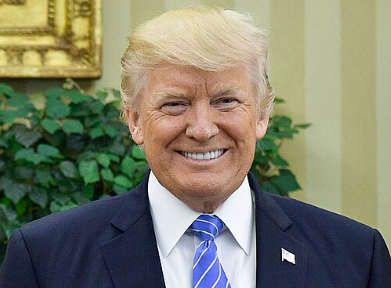
The driving force behind Donald Trump’s new 10% credit card rate cap is a staggering statistic: $1.17 trillion in national credit card debt. Trump cited the record debt levels in his Truth Social announcement, arguing that high interest rates are making it impossible for Americans to get ahead. He set a start date of January 20 for the new policy, promising to bring relief to overburdened households.
The debt crisis has been building for years, exacerbated by inflation and rising interest rates under the Biden administration. Trump’s proposal targets the root cause of the problem for many families: the compounding interest that keeps balances high. By capping rates, he hopes to break the cycle of debt.
However, the banking industry warns that the solution is not so simple. Major financial associations issued a statement arguing that the cap would lead to a credit crunch. They explained that if they cannot price for risk, they will stop lending to risky borrowers. This would mean that the people with the most debt might lose access to their cards entirely.
Senator Elizabeth Warren also criticized the move, calling it a “joke” without a legislative plan. She argued that Trump is ignoring the complexity of the issue and offering a quick fix that won’t work. Warren emphasized the need for comprehensive financial reform to address the underlying causes of debt.
Supporters, however, see it differently. Senator Josh Hawley called the move a “fantastic idea,” arguing that bold action is needed to address the crisis. As the January 20 date approaches, the debate over how to solve the debt problem is front and center.