Norway has taken a significant step toward closer integration with the European Union by accelerating the adoption of EU legislation under the European Economic Area (EEA) framework. This week, Norway and its EEA partners— Iceland and Liechtenstein—approved the incorporation of 142 new EU legal acts into the EEA Agreement, strengthening access to the EU’s single market.
The move reduces the backlog of EU rules yet to be implemented by Norway to 528, down from nearly 600 earlier this year. While the EU has made clear it expects the figure to fall below 500, the latest progress signals a renewed political commitment from Oslo to honor its obligations under the EEA deal.
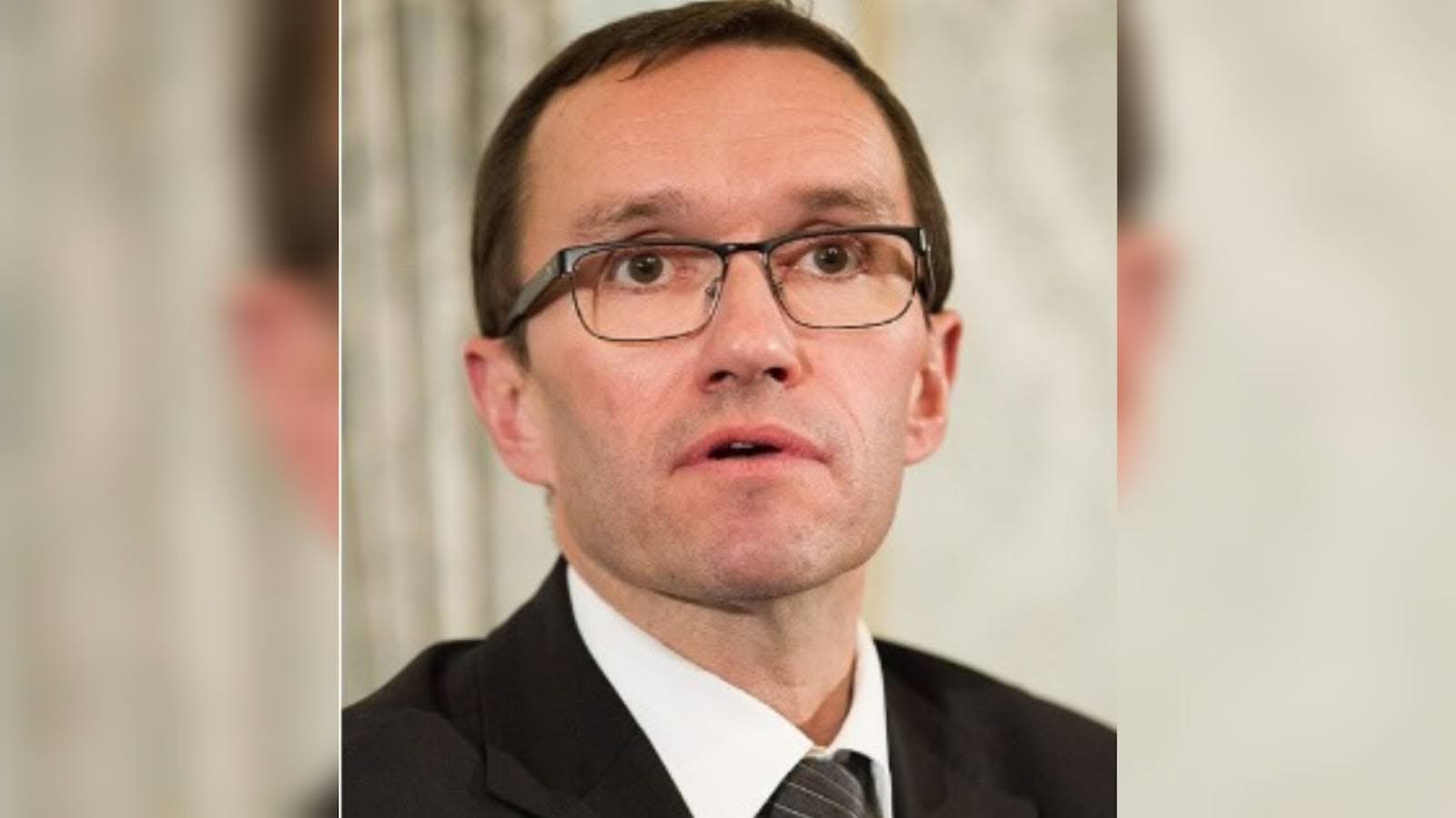
Norway’s Labour-led government has picked up the pace since its re-election in September, now operating without the anti-EU Centre Party as a coalition partner. Foreign Minister Espen Barth Eide, a long-time supporter of close EU cooperation, has emphasized that stronger alignment with Europe is increasingly important amid geopolitical uncertainty and shifting transatlantic relations. With firmer parliamentary backing, the government believes it can more easily pass EU-related legislation and safeguard the EEA agreement.
Implementing EU directives is also critical for Norwegian businesses and citizens, who benefit from many of the same rights as those within EU member states. Recent trade issues, including new tariffs on certain metal alloys, have highlighted the limits of EEA protections and reinforced the importance of legal alignment to maintain market access.
Alongside EU-related efforts, Norway reaffirmed its commitment to European security and Ukraine. The government announced additional funding of NOK 5 billion to support Ukraine’s defense needs, bringing Norway’s total support this year to approximately USD 835 million. These steps underscore Norway’s broader strategy of deepening cooperation with European partners on both economic and security fronts.