
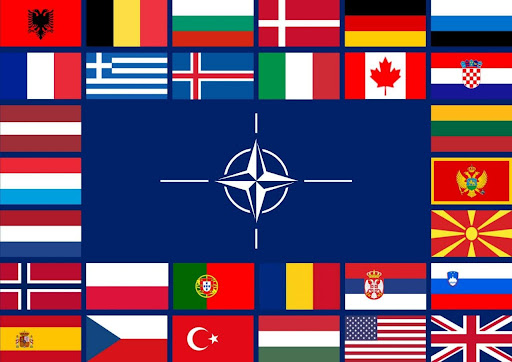
A new era of defense spending is on the horizon for NATO, with leaders expected to endorse a five percent of GDP target. However, the bold initiative is already encountering resistance. Spain has secured a special arrangement to be excluded from the full commitment, and President Donald Trump contends the United States should also be exempt, arguing the burden should rest solely on its allies. This foreshadows potential complexities in achieving widespread adoption of the elevated spending goals.
The proposed five percent breakdown includes 3.5 percent for direct military outlays, a significant jump from the current two percent minimum, and 1.5 percent for broader security enhancements like infrastructure upgrades, cyber resilience, and societal preparedness. While the latter category offers more flexibility for inclusion, the 3.5 percent for core defense presents a formidable financial challenge, especially for countries like Spain, which currently spends well below this figure at 1.28 percent of its GDP.
Spain’s Prime Minister, Pedro Sánchez, announced the exemption, confirming that the final NATO communique would reflect this by not applying the target to “all allies.” This development raises questions about how other financially constrained members, such as Italy and Canada, might respond. Trump’s consistent critique of allied spending and his recent label of Canada as a “low payer” further highlights the tensions surrounding burden-sharing within the alliance.
The impetus behind this accelerated defense spending is a shared assessment of the escalating threat from Russia, particularly in the wake of its war in Ukraine. European leaders are increasingly concerned about potential sabotage, cyberattacks, and the broader implications for regional security. NATO experts have indicated that robust defense against a Russian attack requires investments of at least three percent of GDP. While a 2032 deadline is on the table, the debate over its achievability and the overall timeline for implementation is ongoing among NATO members.