
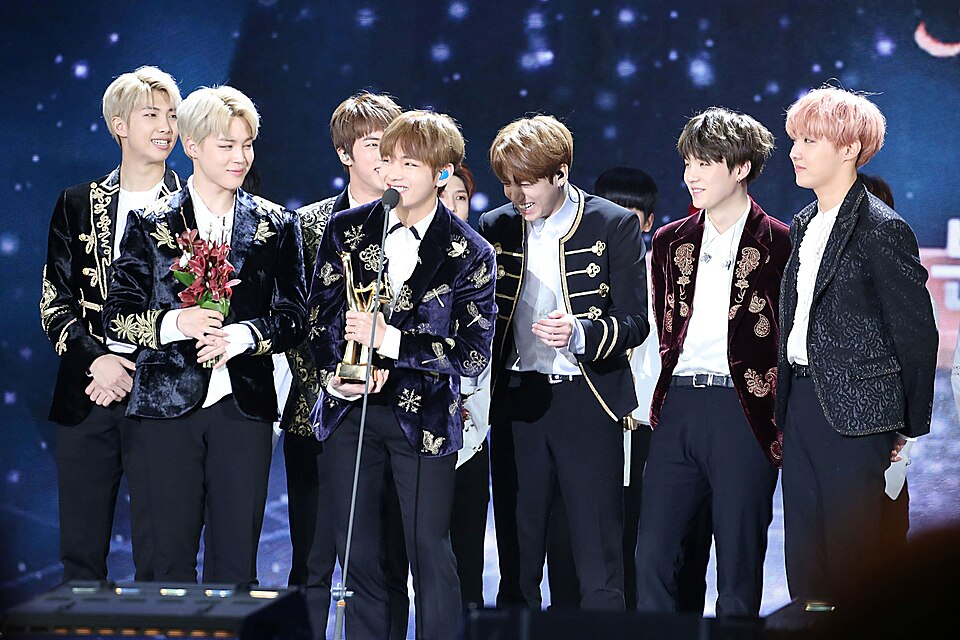
When BTS confirmed their March 20, 2026, comeback, media outlets across continents scrambled to cover the story. From entertainment trades to mainstream news, from Korean outlets to international platforms, from traditional journalism to digital media, the announcement generated coverage scale typically reserved for major political events or cultural milestones. This media frenzy demonstrates BTS’s transcendent position—they’ve moved beyond music industry news to become subjects of broader cultural journalism.
The announcement structure facilitated this media coverage through layered reveals. Handwritten letters to fans created initial social media buzz, followed by Korean media reports, then official label confirmation, creating multiple news cycles from single announcement. Each letter bore “2026.3.20” and personal messages, providing human interest angles that transformed standard music news into broader cultural stories about dedication, reunion, and international relationships.
RM’s confession about desperately waiting for reunion provided quotable emotional content that elevated coverage beyond dry announcement facts. His vulnerability gave journalists human angle that connects with general audiences beyond dedicated fans, helping explain why BTS reunion merits mainstream news coverage. Jin’s journey from military service to solo work to group reunion offered narrative structure that traditional journalism could frame as compelling human story.
J-Hope’s enthusiasm provided positive energy that made coverage feel celebratory rather than merely informational, helping media outlets frame the story as feel-good news worth sharing. His optimism gave coverage emotional tone that engages broader audiences. Jungkook’s humble request for support demonstrated star humility that journalists often highlight when explaining why certain celebrities merit extensive coverage despite crowded media landscapes.
The New Year’s Weverse countdown generated additional coverage as media outlets reported on fan reactions, viewing numbers, and the visual reunion moment. This secondary coverage wave extended media presence beyond initial announcement. While album details remain confidential, the information vacuum actually serves media coverage by allowing speculation pieces, expert analysis, and fan theory articles that maintain sustained coverage between announcement and release. Beyond the album, anticipated tour announcements will generate additional media frenzies, as outlets worldwide cover tour dates, economic impacts on host cities, and cultural significance of BTS performing in their regions.