
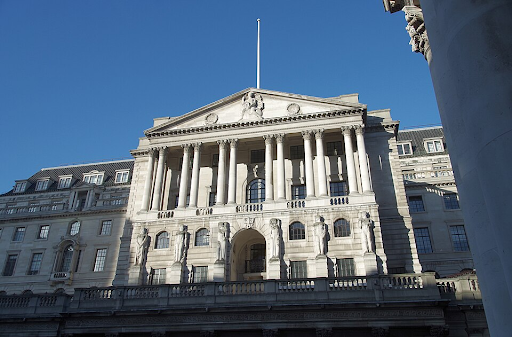
The construction sector, often the canary in the coal mine for the UK economy, has welcomed the Bank of England’s rate cut to 3.75% with cautious optimism. High interest rates have devastated the industry over the last two years, making it prohibitively expensive for developers to borrow money for new housing estates and infrastructure projects. The 0.1% GDP contraction in October was heavily influenced by a slowdown in building, making this cut a vital intervention.
For developers, the math is simple. Lower interest rates reduce the cost of financing a project, improving profit margins and making risky developments viable again. The “fastest pace of cuts in 17 years” heralded by the Chancellor is exactly what the industry needed to hear. They hope this signal will unblock the pipeline of projects that were put on hold during the height of the inflation crisis.
However, challenges remain. The cost of materials is still high, and labor shortages are acute. The Bank’s agents noted that wage growth is expected to stay at 3.5%, meaning builders will have to pay more for bricklayers and electricians in 2026. Cheaper loans help, but they don’t solve the physical problem of getting houses built.
The housing market’s demand side also needs to wake up. Builders won’t build if buyers can’t buy. The rate cut should help prospective homeowners get mortgages, creating the demand that justifies the supply. It is a symbiotic relationship that has been frozen by high rates; the Bank is trying to thaw it out.
If the construction sector revives in 2026, it will drag the rest of the economy up with it. Building sites create jobs, demand materials, and boost local spending. This rate cut is the first shovel in the ground for that recovery, but the industry knows there is a long way to go before the cranes are moving at full speed again.