
Cornwall’s concentration of astronomically aligned monuments represents an achievement comparable to medieval cathedral construction—a landscape-scale project requiring coordinated effort, specialized knowledge, and sustained commitment across generations. The Land’s End peninsula functioned as an enormous astronomical instrument where multiple observation points created redundant systems for tracking celestial patterns essential to agricultural communities.
The architectural vision behind this landscape cathedral emerged from geological awareness combined with astronomical knowledge. The peninsula’s granite ridge naturally aligned with winter solstice sunset, providing a foundation that Neolithic communities enhanced through deliberate monument placement. Each structure added to this system contributed specific observational capabilities while reinforcing overall calendrical functions.
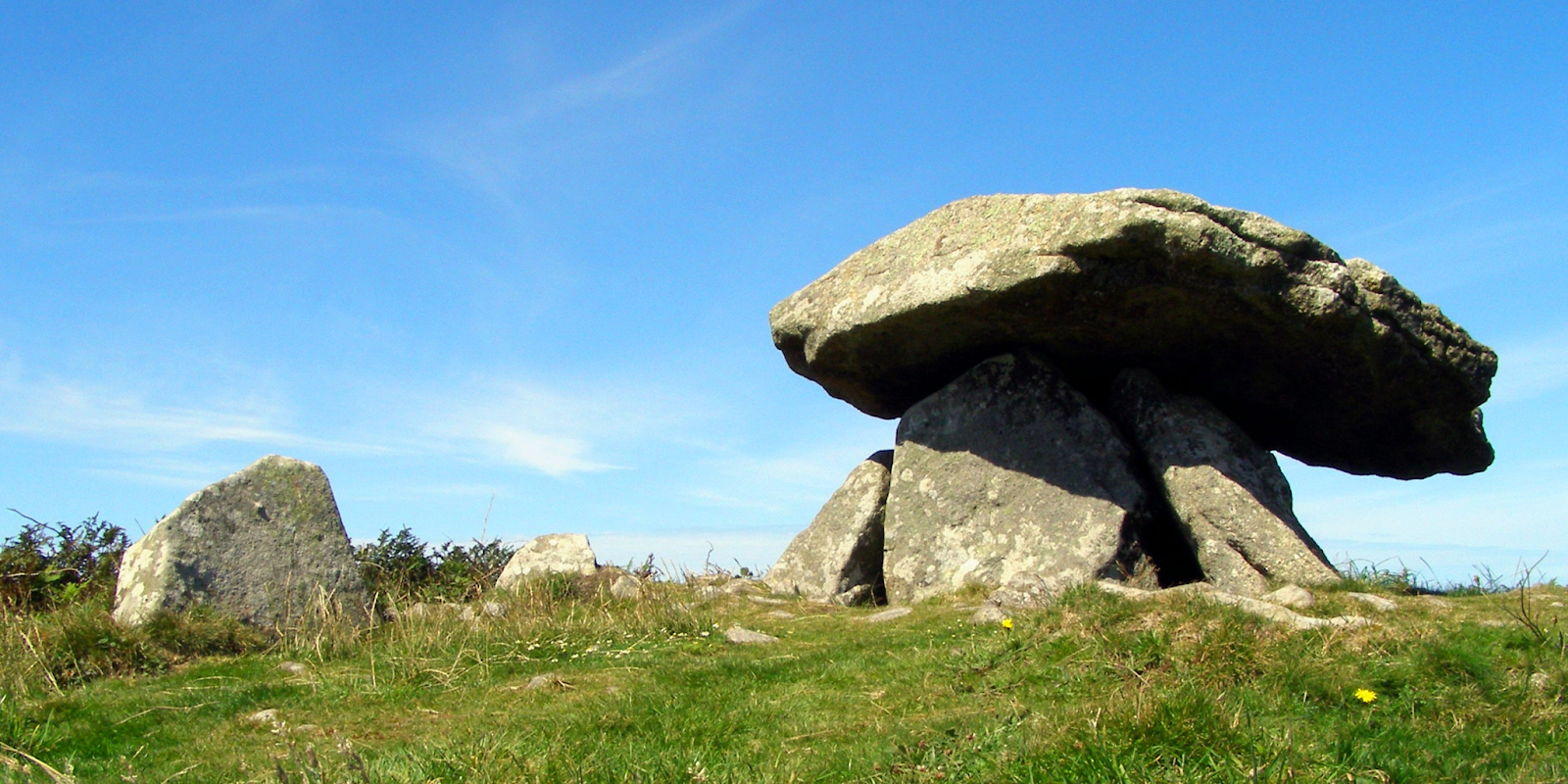
Individual monuments served as distinct “chapels” within this landscape cathedral, each marking particular astronomical phenomena. Chûn Quoit functioned as the primary winter solstice observation point, its alignment with Carn Kenidjack creating dramatic visual confirmation of the sun’s turning. Tregeseal circle provided alternative perspectives, framing the Isles of Scilly and potentially marking additional celestial events through specific stone positions.
The Kenidjack holed stones represented specialized instrumentation within this system. Their unique design—small apertures positioned near ground level—suggests they functioned as precision timekeeping devices, with changing sunlight patterns marking autumn’s progression toward the critical solstice moment. This specialized function complemented broader observations made at stone circles and burial chambers.
Construction of this landscape cathedral required organizational structures capable of mobilizing labor, maintaining knowledge systems, and coordinating activities across the region. The precision of alignments achieved at multiple sites suggests specialized practitioners—prehistoric astronomers who possessed detailed celestial knowledge and could direct monument positioning accordingly.
Modern appreciation for this achievement combines archaeological investigation with experiential engagement. Researchers continue mapping monument relationships and analyzing alignment patterns. Guided walks allow participants to witness how different sites contribute to overall astronomical functions. The Montol festival celebrates the cosmological framework these monuments embody through ritual acknowledgment of seasonal patterns. This convergence of scholarly understanding, direct observation, and living tradition demonstrates how Cornwall’s landscape cathedral continues functioning as intended—marking celestial events while inspiring wonder at prehistoric architectural and astronomical achievements.