
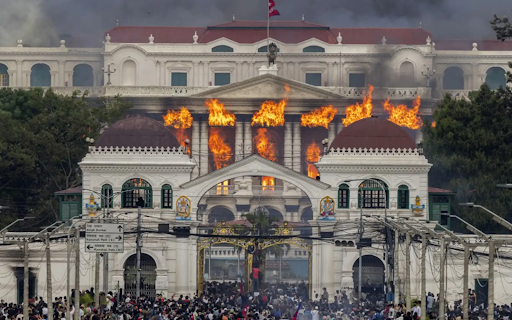
The chaos that has engulfed Nepal is more than a localized crisis; it is a universal and urgent warning to political leaders across the globe. The events in Kathmandu are a textbook example of what happens when a government becomes deaf to the growing frustrations of its citizens, proving that eventually, if unheard, the people will make their voices felt on the streets.
For years, the groundwork for this crisis was being laid, largely ignored by those in power. The key elements were a crippling lack of economic opportunity, highlighted by a 20% youth unemployment rate, and a festering anger at systemic corruption. These issues created a deep well of public resentment, making the political atmosphere dangerously unstable.
The flaunted inequality between the ruling class and the general populace added insult to injury, cementing a narrative of an uncaring and out-of-touch elite. The populace felt not just impoverished but also disrespected, a potent combination that left them primed for confrontation. All that was missing was a single, unifying grievance to act as a trigger.
The government provided that trigger with its ill-conceived ban on social media. This act of censorship was the final straw, seen as a blatant attempt to silence the very people who had the most to complain about. The lesson from Nepal is stark and clear: leaders who allow the powder keg of public grievance to grow are creating the conditions for their own downfall. The spark itself is almost irrelevant; the real danger is in the fuel.