
Major American defense manufacturers confront comprehensive Chinese sanctions after the Trump administration approved the largest weapons sale to Taiwan in bilateral history. China’s foreign ministry announced punitive measures affecting 20 corporations and 10 individuals, demonstrating Beijing’s determination to counter American military assistance to the island it claims as sovereign territory.
The sanctions regime will freeze all Chinese-based assets of the targeted companies and individuals while prohibiting any Chinese entity from maintaining business relations with them. Boeing’s fighter aircraft manufacturing complex in St Louis, Missouri, emerges as a prominent casualty, a facility employing over 3,000 workers and recently affected by significant labor strikes over compensation. The aerospace giant now confronts total exclusion from China’s enormous market across all sanctioned operations.
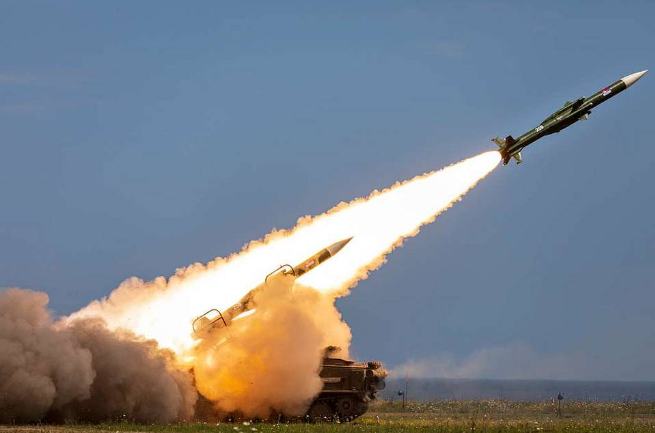
President Trump’s authorization encompasses eight military sale agreements delivering advanced weaponry to strengthen Taiwan’s defensive capabilities. The centerpiece features 420 Army Tactical Missile Systems, cutting-edge munitions comparable to systems America deployed to Ukraine during its war with Russian forces. Sophisticated drone technology and various medium-range missile platforms round out the package, representing Washington’s most substantial material commitment to Taiwan’s security infrastructure.
The sanctions net ensnares major players including Northrop Grumman Systems Corporation and L3Harris Maritime Services, while imposing personal consequences on industry executives. The founder of Anduril Industries and nine senior leaders from sanctioned firms face permanent entry bans into Chinese territory. Chinese officials characterized Taiwan as the absolute “core interest” in US-China relations, threatening forceful countermeasures against any red-line violations and demanding America stop its “dangerous” military support for the democratic island.
The State Department defended its actions by referencing legal requirements to ensure Taiwan possesses adequate defensive tools. Officials maintained that the sales serve American national interests while supporting regional security architecture and economic stability. The fundamental disagreement over Taiwan’s political status—China’s reunification insistence versus Taiwan’s democratic self-governance—continues fueling bilateral tensions, compounded by separate economic disputes over trade policies and tariff battles.