
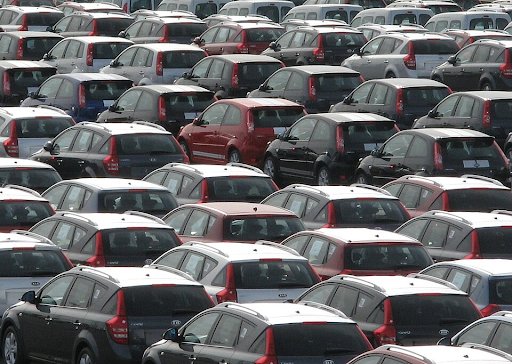
American consumers are likely to feel the pinch from the new US-EU trade deal, which, despite lowering some tariffs, solidifies a new baseline of 15% duties on a wide range of popular European goods. From cars and cheese to wine and lumber, imports from the EU are set to become more expensive.
While the headline news is the conditional reduction of the auto tariff from 27.5% to 15%, this lower rate is still a significant tax that will likely be passed on to car buyers. More importantly, the agreement applies this 15% rate to a host of other products, including pharmaceuticals and semiconductors, which can drive up costs throughout the US economy.
The impact will be felt directly in the beverage aisle. The deal’s failure to provide an exemption for wine and spirits means a 15% tariff remains on iconic products like French wine, Scotch whisky, and Italian liqueurs. The Distilled Spirits Council of the US has warned this could lead to a retail loss of over $1 billion, reflecting higher shelf prices and reduced sales.
This situation highlights the domestic cost of protectionist trade policies. While aimed at protecting certain US industries and leveraging concessions from trading partners, tariffs are ultimately a tax on consumers. The new framework, while de-escalating a trade war, establishes a new, more expensive reality for Americans buying European goods.