
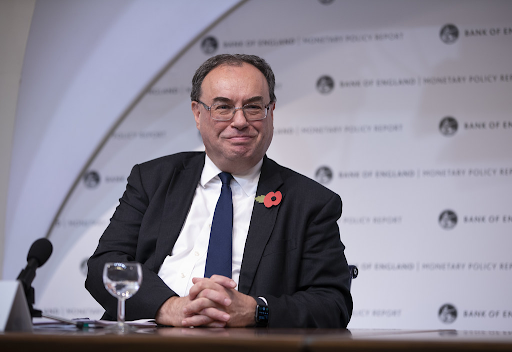
The UK economy unexpectedly shrank for the second consecutive month in May, further intensifying pressure on the Bank of England to implement more aggressive interest rate cuts. This economic contraction, combined with a sharp decline in business hiring, has strengthened Governor Andrew Bailey’s assertion that deeper rate reductions could occur if the job market deteriorates rapidly.
Official data revealed a 0.1% contraction in GDP in May, following a 0.3% drop in April, indicating a sustained period of economic weakening. This downturn, fueled by sharp declines in manufacturing and construction, provides a stark backdrop to the Bank of England’s deliberations. The grim economic figures lend weight to Bailey’s concerns about “slack” opening up in the UK economy.
Further compounding the economic woes is a recent report from KPMG, which found that hiring by UK businesses dropped at the fastest pace in almost two years. This decline in staff availability, as indicated by a rising index, reinforces the central bank’s worries about the health of the labor market. These developments increase the likelihood of more proactive monetary easing to stimulate growth and employment.
The market has responded accordingly, with the pound dropping to a three-week low after Bailey’s comments. Investors have also significantly increased their expectations for an August rate cut, with money markets now indicating an 85% chance. This collective assessment reflects a growing belief that the Bank of England will prioritize economic stability and job preservation through accelerated rate reductions.