
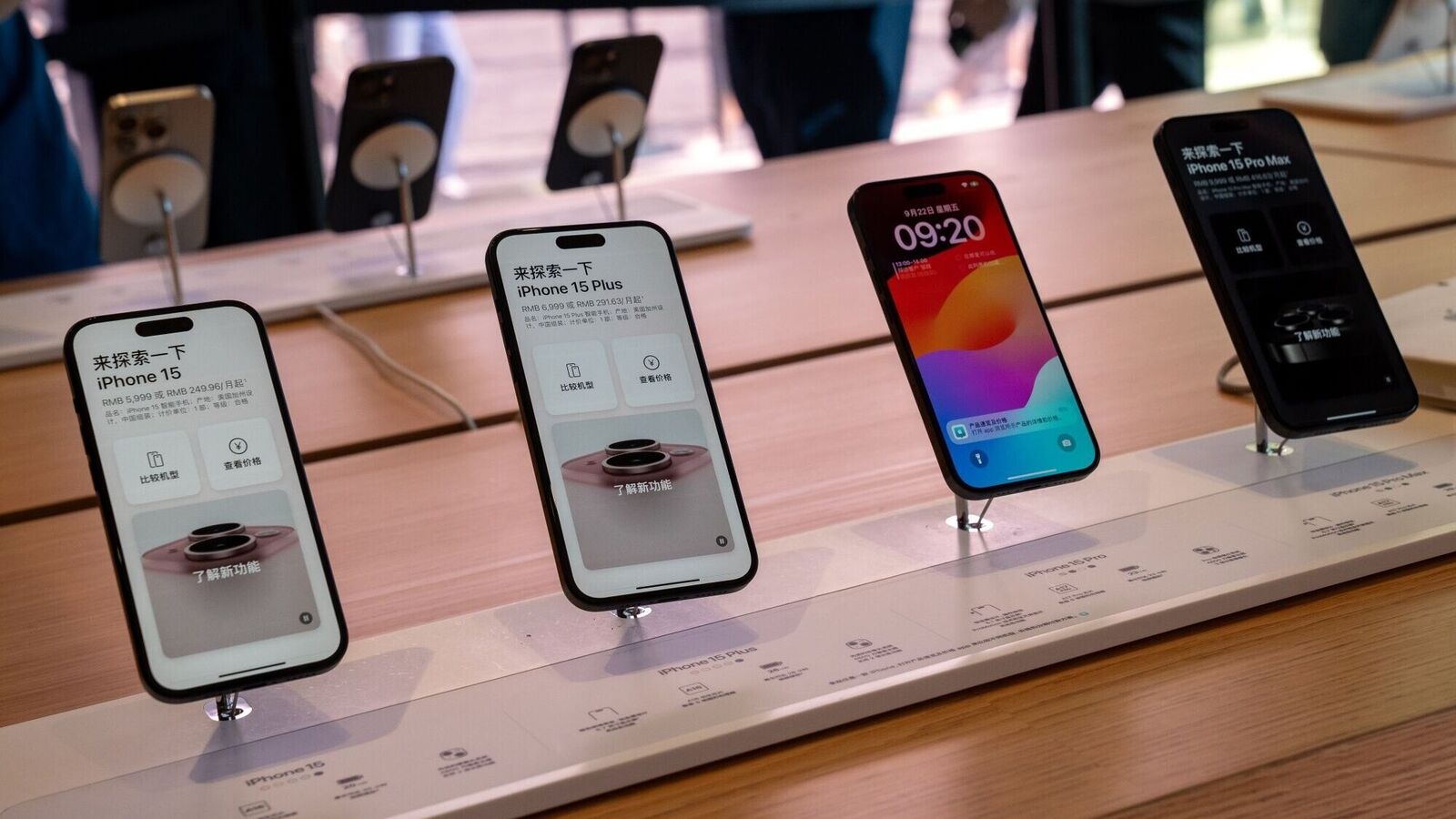
The landscape of smartphone manufacturing is poised for a dramatic transformation as the industry leader prepares to radically alter its product strategy over the next few years. In a move that signals a significant departure from its traditional streamlined approach, the Cupertino-based tech giant is setting the stage to expand its iPhone portfolio from the current five models to a total of seven by the year 2027. This expansion is not merely about adding more devices to the shelf; it represents a fundamental shift in how the company envisions its ecosystem, aiming to cater to a wider variety of user preferences while simultaneously addressing internal logistical challenges. By broadening the lineup, the company hopes to capture different market segments more effectively, offering specialized devices that range from experimental prototypes to high-end mass-market flagships.
Central to this strategic overhaul is a complete rethinking of the annual release calendar, which has traditionally been dominated by a singular, massive event in the fall. Starting in 2026, the company intends to fracture this schedule, distributing its major product launches across two distinct periods of the year. This bifurcation means that the days of the singular “September rush” may be coming to an end. Instead, the company plans to reserve the fall window exclusively for its absolute highest-end offerings. This includes the highly anticipated iPhone 18 Pro lineup and, perhaps most excitingly, the debut of the brand’s first-ever foldable smartphone. This staggered approach allows the marketing spotlight to shine more intensely on the premium devices during the holiday shopping season.
Approximately six months after the premium fall launch, the second phase of this new annual cycle will commence, focusing on the standard and experimental tiers of the lineup. The spring window is expected to usher in the standard iPhone 18, a new entry-level “e” version, and potentially an updated iteration of the iPhone Air. By separating the release of the standard models from the “Pro” models, the company can maintain a steady drumbeat of news and consumer interest throughout the calendar year. This prevents the “lull” that often occurs in smartphone sales during the second and third quarters, ensuring that the brand remains at the forefront of the consumer conversation regardless of the season.
The introduction of the foldable iPhone in 2026 is arguably the most significant hardware development in this roadmap, described by insiders as the “star” of the future lineup. The device is being designed with a unique aesthetic that has been likened to two titanium iPhone Airs placed side-by-side, suggesting a premium, ultra-thin build quality. This device represents the company’s answer to a growing market trend that has seen competitors gaining ground with flexible display technology. However, unlike some competitors who rushed to market, this release appears to be calculated and refined, positioning the foldable not just as a novelty, but as the pinnacle of the 2026 collection.
Meanwhile, the iPhone Air is carving out a unique niche within this expanded seven-model family, serving less as a mass-market staple and more as a testbed for innovation. Viewed essentially as a technology exercise and a prototype en route to the foldable iPhone, the Air will be utilized primarily for testing new components and avant-garde design elements in a real-world setting. Because of its experimental nature, it is not expected to follow the standard annual upgrade cycle, nor is it intended for the average consumer. This distinction clarifies the company’s intent to use specific models for R&D purposes while keeping their primary revenue drivers—the standard and Pro models—on a consistent track.