
The economic arm of the US-Israel campaign against Iran reached global markets this week when Israel’s strike on the South Pars gas field and subsequent Iranian retaliation against regional energy infrastructure sent fuel prices sharply higher. The price surge was a reminder that military conflicts in the world’s most energy-rich region have consequences far beyond the battlefield — consequences felt by consumers, businesses, and governments worldwide. For countries already dealing with high energy costs, the development was unwelcome and alarming.
South Pars is not a marginal facility. It is the cornerstone of Iran’s energy export economy and one of the largest gas fields in the world. Striking it was always going to produce a serious response, and Iran delivered one: retaliatory attacks on energy infrastructure across the Middle East that disrupted supply chains and rattled commodity markets. The combined effect of the initial strike and the retaliation was a significant and rapid increase in global energy prices.
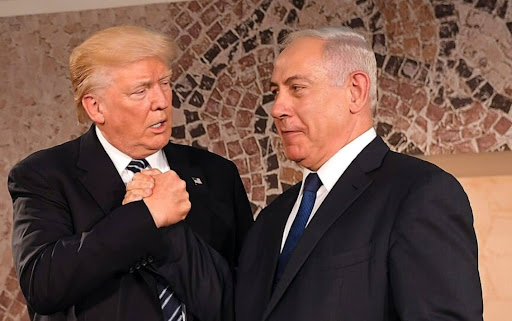
US President Donald Trump acknowledged the sensitivity of the situation, saying publicly he had warned Israeli Prime Minister Benjamin Netanyahu against the strike. His concern appeared to reflect an awareness that energy price increases have direct domestic political consequences — for American consumers, for allied governments, and for the global economic conditions that the United States has a strong interest in maintaining. The Gulf states that appealed to Washington for restraint were making an economic argument as much as a security one.
Netanyahu accepted Trump’s request not to continue hitting the gas field, acknowledging implicitly that the economic fallout had crossed a line. His concession was narrow — specifically the gas field — but it signaled that even Israeli strategic ambitions are not entirely indifferent to global economic consequences. The broader Israeli campaign continues on other fronts.
The episode added an economic dimension to the already complex strategic debate about the war’s direction. Trump’s nuclear-focused strategy is in principle more targeted and less economically disruptive than Israel’s comprehensive degradation campaign. Netanyahu’s broader approach, which includes strikes on economic infrastructure like South Pars, carries greater risks of global economic blowback. Managing that risk while sustaining an effective military campaign is a challenge that both governments will need to navigate more carefully going forward.